If you picture a historic home as something precious but impractical, Sonoma Valley may surprise you. In and around Sonoma’s historic core, older homes are tied to a daily rhythm of farmers markets, plaza walks, shaded porches, and easy access to dining and community events. If you are wondering what it actually feels like to live in one of these homes, here is a realistic look at the charm, routines, and responsibilities that come with it. Let’s dive in.
Sonoma Valley’s historic backdrop
Sonoma Valley stretches about 17 miles and includes Sonoma, Glen Ellen, Kenwood, and nearby communities. For historic-home living, the strongest story centers on downtown Sonoma and the Sonoma Plaza area, where the Plaza is a National Historic Landmark and the civic heart of the town.
That setting shapes more than appearances. Mission San Francisco Solano, General Vallejo’s home, and Sonoma State Historic Park all help define the area’s sense of place. Instead of feeling staged, the historic core feels lived in and active.
The Plaza itself works like a true public square. The city notes a duck pond, two playgrounds, the Grinstead Amphitheatre, a rose garden, and a Tuesday night Farmers Market, which gives the neighborhood a steady sense of movement throughout the week.
What daily life feels like
Living in a historic home near Sonoma Plaza often means your routines extend beyond your property lines. The surrounding area includes shops, restaurants, tasting rooms, bars, and attractions that are walkable if you are staying or living nearby.
That walkable setting is a major part of the appeal. You can start the day with a coffee and a stroll through the Plaza, run errands on foot, and end the evening with dinner close to home. In Sonoma, heritage and convenience often sit side by side.
Sonoma State Historic Park also keeps the area connected to its past in a practical, everyday way. It is open daily and includes multiple historic sites near the Plaza, adding tours, programs, and a steady public presence that keeps the district engaged with local life.
Historic styles you may see
One of the most appealing things about Sonoma’s historic homes is their variety. Local preservation guidelines identify vernacular cottages, Queen Anne Victorian, Craftsman bungalow, Spanish Colonial and adobe, Mission Revival, Monterey Colonial, ranch, and mid-century modern as part of the local mix.
That range matters because there is no single Sonoma historic-house formula. One street may feature a modest cottage with a welcoming porch, while another may include a stucco home with adobe influence or a bungalow with classic Craftsman details.
In many cases, these homes share a human-scaled feel. The city’s design guidelines describe one- to one-and-a-half-story houses, raised first stories, porches, wood siding or stucco, shallow front yards, and parking placed to the side or rear.
Why the architecture changes the experience
Historic homes in Sonoma often feel more connected to the street and to outdoor space than many newer homes. Porches, front-facing entries, and shallower setbacks can create a more open relationship between the house and the neighborhood.
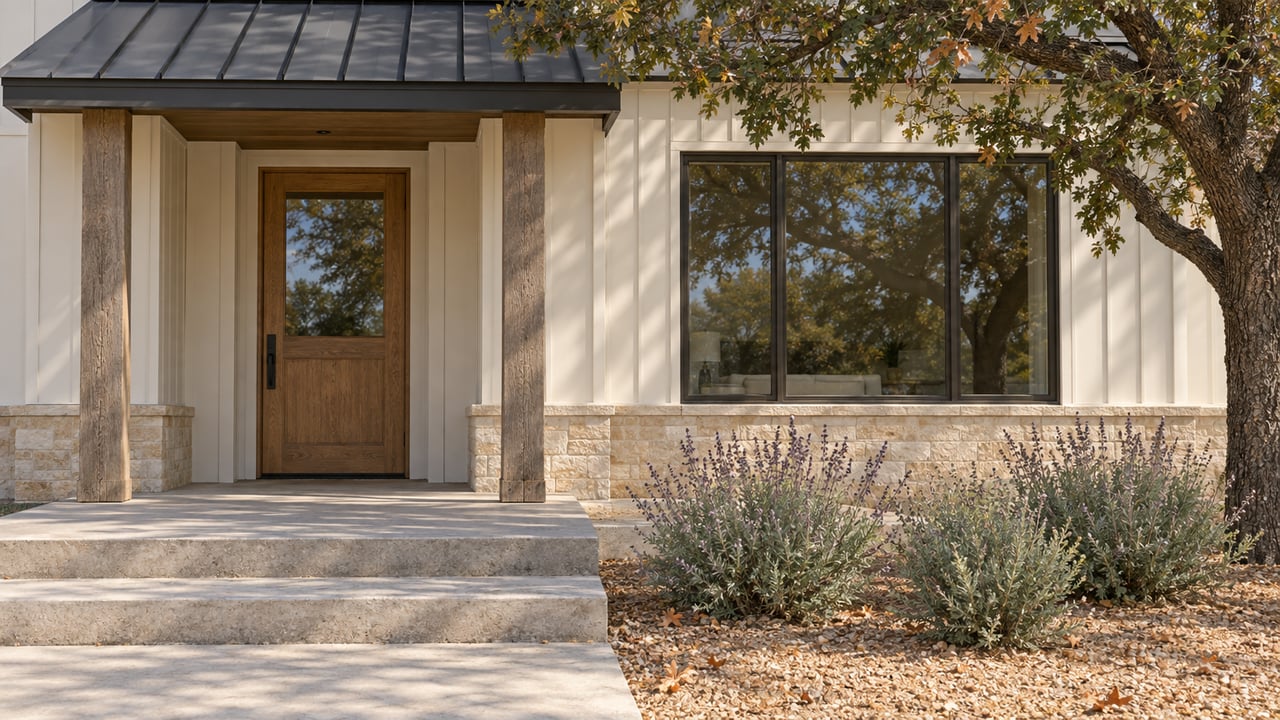
Craftsman homes, for example, are noted for low-pitched gabled roofs, wide eaves, decorative braces, and porch-oriented entries. Those details can make an ordinary arrival home feel warmer and more intentional.
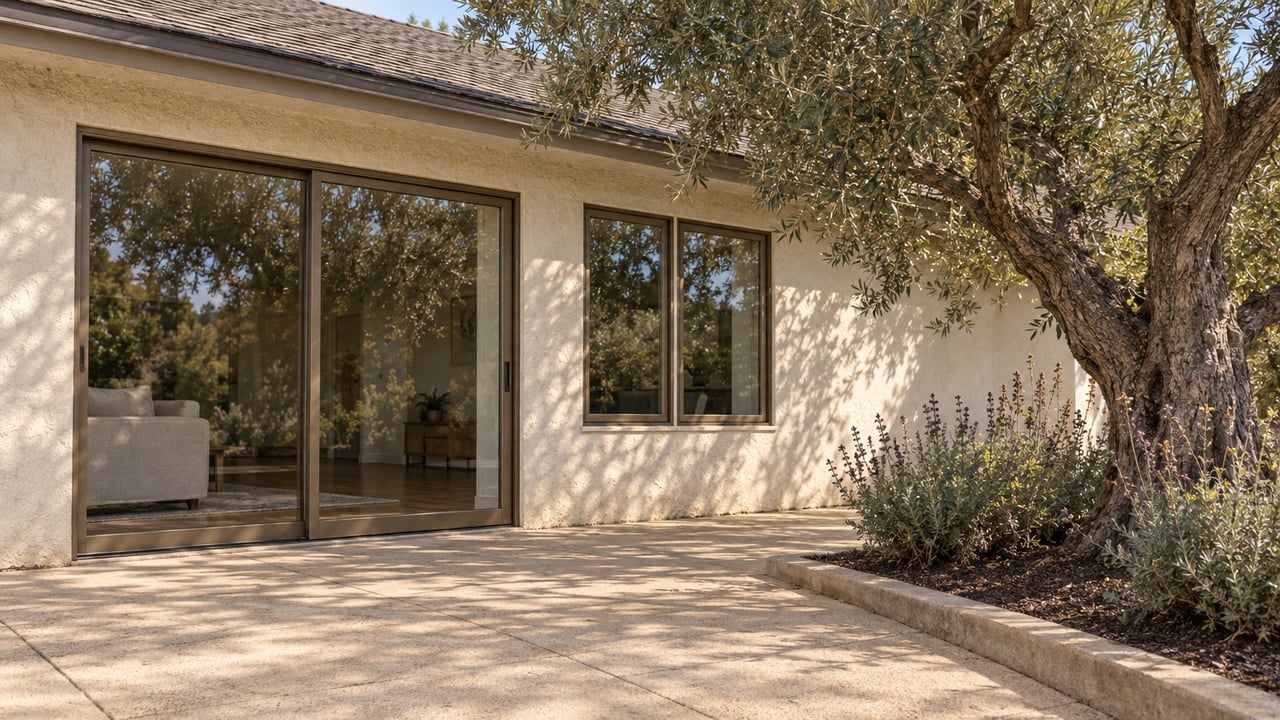
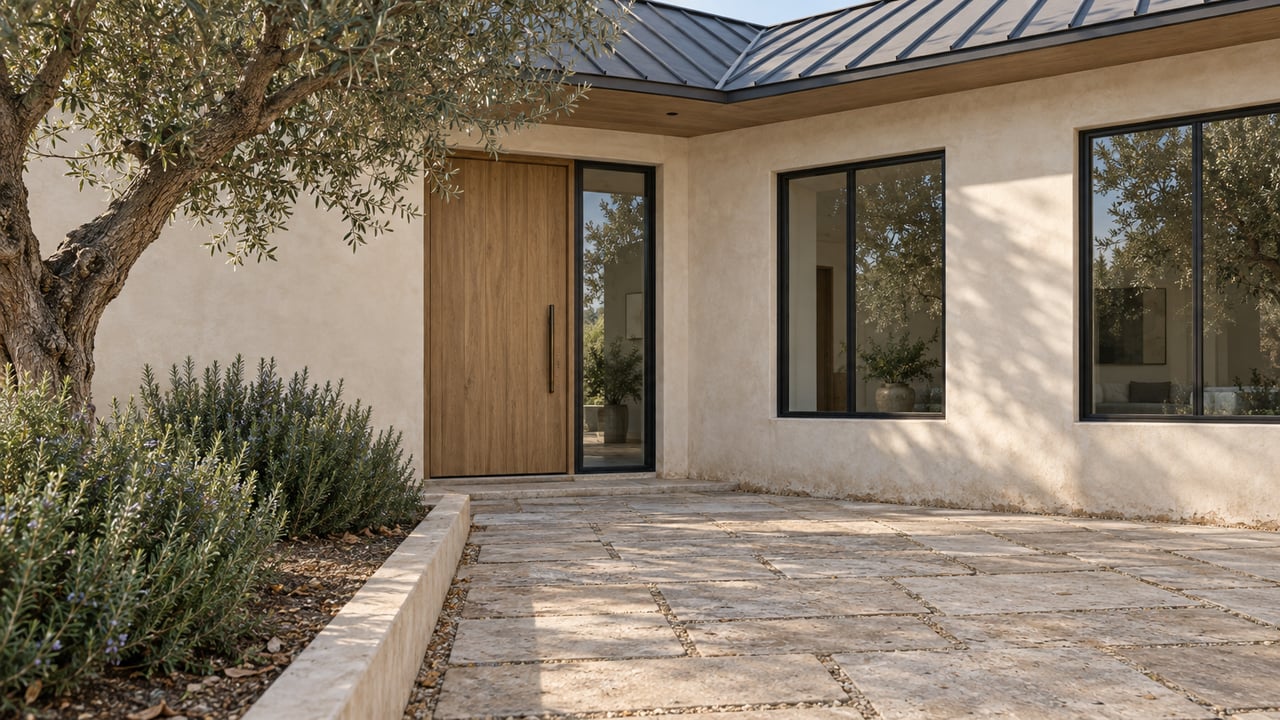
Adobe and Mission-style buildings bring a different texture. Thick masonry or stucco walls, smaller window openings, and courtyard or arcade-like features can create a calm, sheltered atmosphere that suits Sonoma’s indoor-outdoor lifestyle.
Outdoor living is part of the story
Historic-home life in Sonoma Valley is not just about what happens inside the walls. The valley’s climate averages about 29 inches of annual rainfall, one of the driest patterns in Sonoma County, and the area includes more than 13,000 acres of scenic parkland.
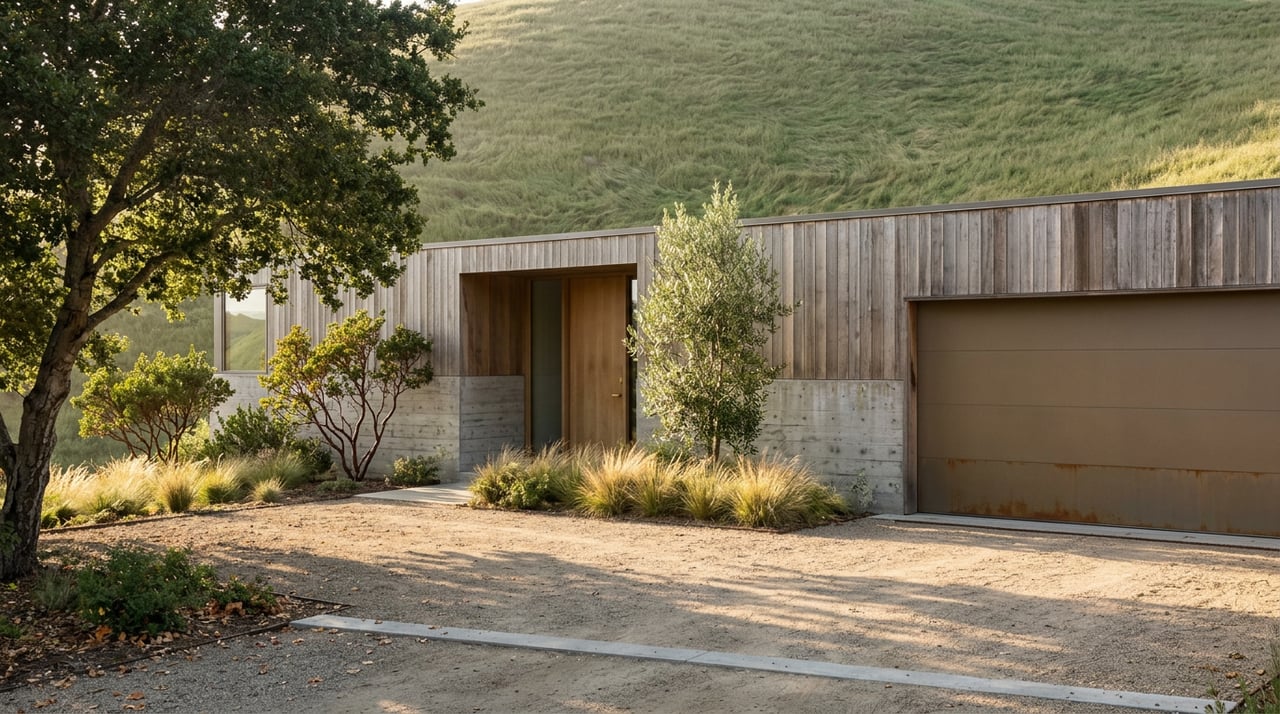
That climate and landscape support the way many older homes are enjoyed today. Mature shade trees, drought-resistant plantings, patios, and garden spaces often become part of everyday living, especially in homes where outdoor entertaining is central to the property’s appeal.
This is also where Sonoma’s wine-country lifestyle comes through most clearly. Historic homes often feel less like sealed boxes and more like places designed to open toward a porch, a courtyard, or a backyard meal under the trees.
Beyond Sonoma Plaza
While downtown Sonoma offers the clearest historic-home lifestyle story, the broader valley adds different versions of that experience. Glen Ellen and nearby communities contribute a more rural, quieter, and often more estate-like sense of history.
The valley’s official materials frame Glen Ellen as part of the heritage landscape through Jack London State Historic Park. That means the feeling of historic living can shift depending on where you are, from walkable town-center charm to a more private country setting.
For you as a buyer, that distinction matters. Some homes offer easy access to the Plaza and its everyday activity, while others offer more land, more privacy, and a different pace of life within the same valley.
The practical side of ownership
Charm is real, but so is maintenance. Older homes often require a more thoughtful approach, especially if you are balancing preservation, comfort, and long-term upkeep.
A good starting point is to think about the house in layers. Structural issues should come first, weather-tightness matters, and electrical upgrades should be planned early when needed. If a home was built before 1978, lead paint may also be a factor to evaluate.
In Sonoma’s historic areas, repair is often favored over replacement. Local guidelines encourage preserving original windows and doors when possible, keeping original porches intact, and making additions subordinate to the historic structure.
Why review matters in the historic core
If you are considering a historic home in Sonoma, it is important to understand that exterior changes may face more review than they would in a typical subdivision. The city has a Historic Preservation Commission, a Historic Overlay Zone map, and preservation design guidelines that help protect the architectural character of the area.
In practical terms, this means you should confirm whether a property sits inside the Historic Overlay Zone or another preservation area. That answer can affect how exterior work, additions, parking changes, and visible alterations are reviewed.
This is not necessarily a drawback. For many owners, these rules are part of what helps preserve the streetscape and the sense of continuity that makes the neighborhood so appealing in the first place.
Questions worth asking before you buy
Historic homes reward curiosity. The more clearly you understand the property at the start, the better your ownership experience is likely to be.
Before moving forward, it helps to ask:
- Is the home truly walkable to Sonoma Plaza, or would most trips still require a car?
- Is the property inside the Historic Overlay Zone or another preservation area?
- What exterior changes would likely need review?
- How realistic is on-site parking based on the lot layout?
- Could the property qualify for a Mills Act contract?
For some qualified historic properties in California, the Mills Act can provide property-tax relief. These contracts are negotiated locally, last 10 years with annual automatic extensions, and remain with the property when it is sold.
Why buyers are drawn to these homes
For many buyers, Sonoma Valley’s historic homes are about more than square footage. They offer a way to live inside a setting where architecture, food and wine culture, outdoor living, and public life all work together.
That does not mean every home will be turnkey or simple. It does mean the value often comes from the full experience: the porch, the walk to the Plaza, the garden dinner, the preserved details, and the feeling that your home is part of a larger story.
If you are searching for a home that feels rooted in place, Sonoma Valley’s historic properties can offer something hard to replicate in newer construction. They ask for stewardship, but they often give back atmosphere, connection, and a distinctly local way of living.
When you are ready to explore Sonoma Valley’s historic homes with a clear eye for both lifestyle and ownership realities, the Kathleen Leonard Team can help you navigate the options with local insight and thoughtful guidance.
FAQs
What is daily life like in a Sonoma Valley historic home?
- Daily life often blends character at home with easy access to Sonoma’s public spaces, dining, shops, tasting rooms, and community events, especially near Sonoma Plaza.
Which part of Sonoma Valley has the strongest historic-home feel?
- Downtown Sonoma and the Sonoma Plaza area have the strongest historic-home setting, with the Plaza serving as the civic and cultural center of the town.
What architectural styles are common in Sonoma historic homes?
- Common styles include vernacular cottages, Queen Anne Victorian, Craftsman bungalow, Spanish Colonial and adobe, Mission Revival, Monterey Colonial, ranch, and mid-century modern.
What should buyers know about remodeling a Sonoma historic home?
- Buyers should know that exterior changes in historic areas may face local review, and Sonoma’s guidelines generally favor repair over replacement and preserving visible historic features.
Can a Sonoma historic home qualify for property-tax relief?
- Some qualified historic properties in California may be eligible for a Mills Act contract, which can provide property-tax relief depending on local rules and the specific property.
Is living near Sonoma Plaza actually walkable?
- Homes near the Plaza may offer walkable access to restaurants, shops, tasting rooms, and attractions, but you should confirm how close a specific property is before you buy.