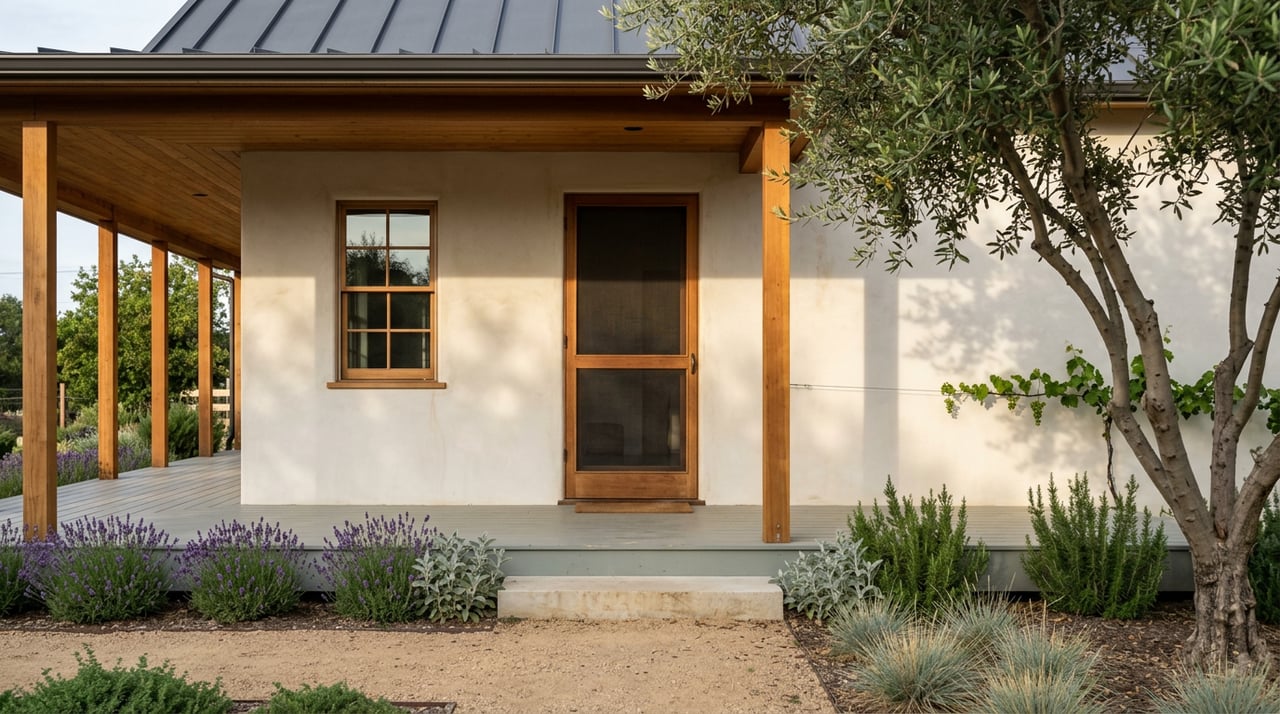
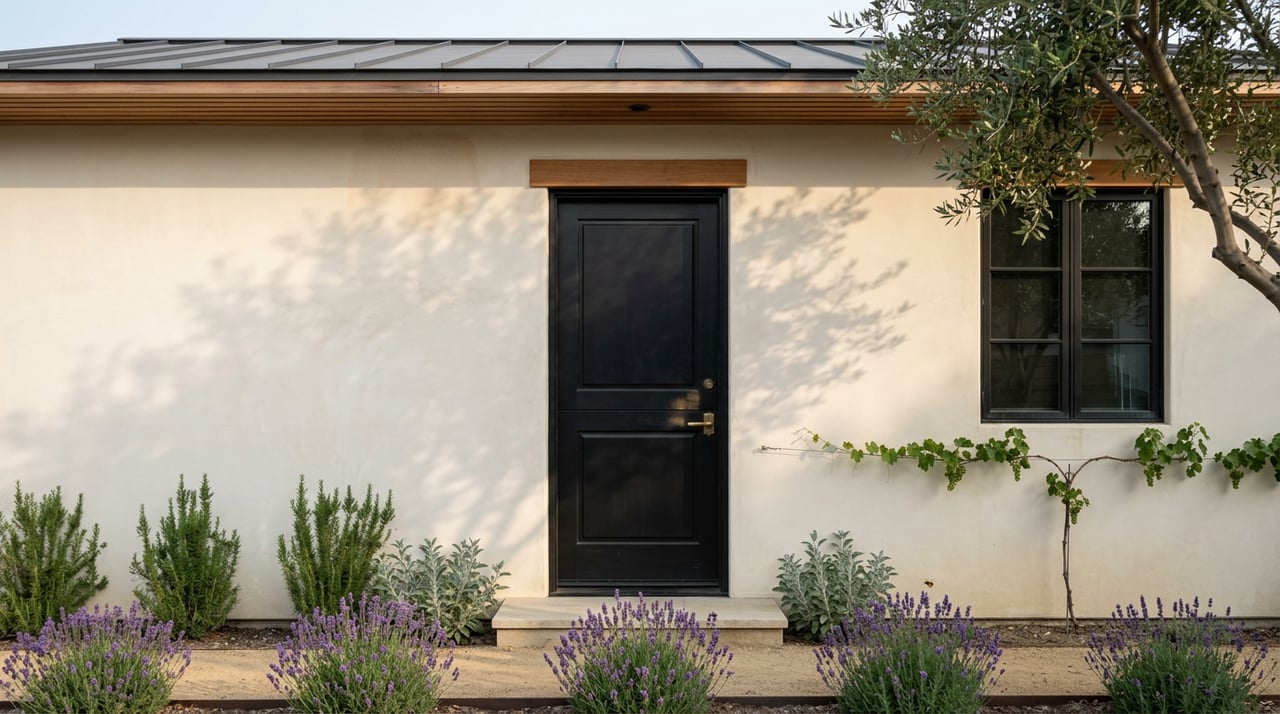
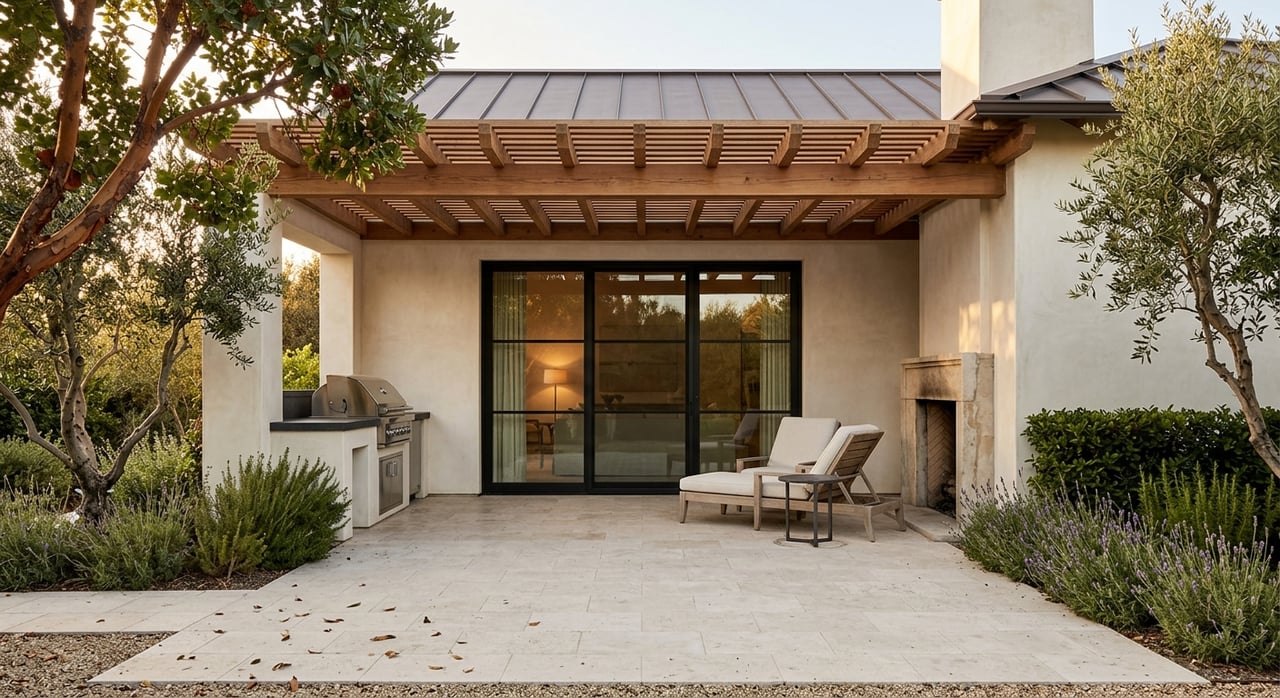
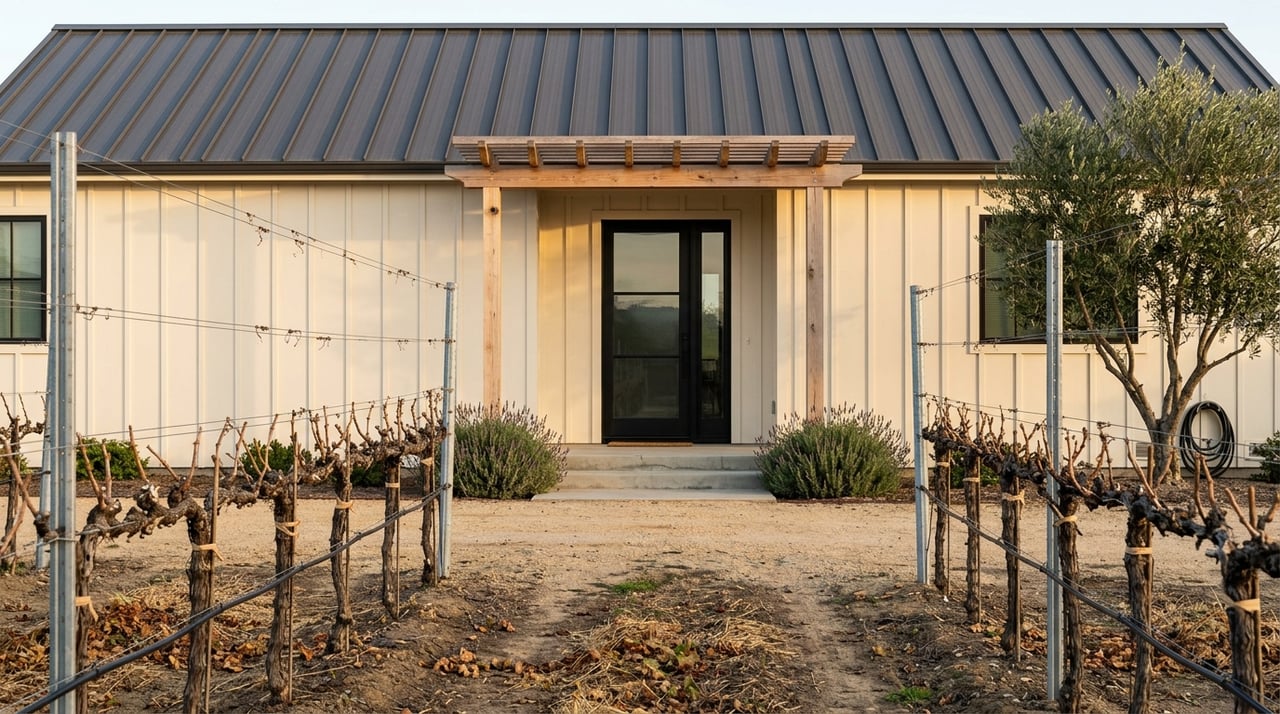
You can honor a historic Sonoma Valley home’s story and still meet what today’s buyers expect. If you are preparing a legacy property for market, you likely want to protect its character, avoid surprises in escrow, and present a home that feels safe, efficient, and easy to own. This guide gives you a practical, Sonoma-specific plan: what to verify, which updates pay, how to navigate preservation rules, and how to package the home’s history so buyers and appraisers see the full value. Let’s dive in.
Start with status and permits
Before you paint or swap a light fixture, confirm the home’s designation and permit history. If your property is in unincorporated Sonoma County, review the Historic Resource Inventory and speak with Permit Sonoma planning staff early to understand any review triggers and timelines. If your home sits inside the City of Sonoma, confirm whether design review by the Historic Preservation Commission applies for exterior work like windows, doors, roofing, or visible repairs.
- Check the county’s Historic Resource Inventory and ask planning staff about design review thresholds and timing. Early outreach reduces delays and protects original character. Visit the county resource to start the conversation at Permit Sonoma’s Historic Resource Inventory.
- For homes inside city limits, see the City of Sonoma Historic Preservation Commission to learn when a Certificate of Appropriateness or design review is required.
Pull records and plan for remedies
Unpermitted work often surfaces during buyer inspections and can lengthen escrow.
- Request a complete permit history from the city or Permit Sonoma and assemble any plans, approvals, and finaled permits you have on hand.
- If you discover unpermitted work, consult your contractor and planning staff about legalization steps. Expect plan review, investigation or penalty fees, and inspections. Minor items may resolve in several weeks. Structural or historically sensitive work can take months.
- Build this timeline into your listing plan so you can market with confidence.
Get disclosures right in California
California’s disclosure rules set the baseline for a smooth sale. The Transfer Disclosure Statement requires sellers of most 1 to 4 unit homes to share known material facts about systems, structure, environment, and permit history. Review the requirements and timing under the California Civil Code.
You also need a Natural Hazard Disclosure. Buyers expect clear, early delivery of whether the property is in mapped flood, fire, or seismic zones. See the standard Natural Hazard Disclosure guidance for what is included.
Newer, targeted statutes matter too. If you completed work and plan to resell within 18 months, AB 968 requires you to disclose the additions or alterations and provide contractor information and permit documentation. SB 382 takes effect in 2025 and introduces a buyer advisory on electrical systems for sales after January 1, 2026. Your listing package should note how you comply with these items under the same Civil Code framework.
Finally, certify that smoke and carbon monoxide alarms are installed and that the water heater is braced according to state rules. Buyers look for these basics, and they are part of standard disclosure checklists.
Order smart pre-listing inspections
A seller-funded inspection plan helps you fix issues on your terms and reduces renegotiation risk. For older homes, start with a general home inspection and add specialists where relevant.
- Electrical panel and wiring evaluation, especially if you have a 60 to 100 amp panel or cloth-insulated branch wiring.
- Roof, chimney, and envelope inspections to address leaks and rot early.
- Septic and well testing for country properties, plus plumbing checks for galvanized piping.
- Lead-based paint and asbestos screening for pre-1978 construction if you plan to disturb finishes.
If inspections reveal material facts, incorporate them into your disclosures. Buyers reward clear, thorough documentation.
Preserve character, modernize systems
Sonoma Valley buyers love original millwork, windows, and landscaping that feel authentic. They also want safe electrical, efficient HVAC, and a solid envelope. Use the Secretary of the Interior’s Standards as your north star when you scope repairs or replacements for historic fabric. Even when tax incentives do not apply, the Standards outline best practices that align with local review expectations. Learn more through the state’s overview of the Standards and local incentives on the California Office of Historic Preservation.
A simple repair or replace framework
- Repair first when material is intact and can be made weather-tight and safe. Preserve profiles, proportions, and visible finishes.
- If replacement is necessary, use in-kind materials and match original details. Prioritize reversible or minimally invasive methods.
- Choose storm windows or interior air-sealing strategies over wholesale removal of historic sash where possible.
- Route mechanicals and electrical upgrades through secondary spaces. Keep primary facades and character rooms as undisturbed as possible.
Wildfire resilience and insurance confidence
Defensible space and home-hardening now sit high on buyer checklists in Wine Country. Document what you have done. Note roof class, ember-resistant vents, cleared zones around structures, and any ignition-resistant siding or decking. If your property is in or near a mapped fire hazard zone, this transparency helps buyers and insurers evaluate risk. See local mapping context from the Sonoma Valley Fire District’s fire hazard severity zone update.
Practical upgrades to consider before listing include sealing gaps where embers enter, screening vents, hardscaping near the foundation, and replacing flammable landscaping close to structures. Photograph these efforts and include a one-page summary in your marketing packet.
High-ROI, low-friction updates buyers love
You do not need a gut renovation to sell well. Data for 2025 shows the strongest cost recovery tends to come from curb appeal and targeted refreshes. According to the Remodeling Cost vs. Value report, projects like a new garage door, a new steel or upgraded front entry door, manufactured stone accents, fiber-cement siding repairs or replacement, and a minor midrange kitchen remodel often recoup a high share of cost at resale. Review the Pacific-region trends in the 2025 Cost vs. Value report.
In the Bay Area context, buyers and appraisers also reward functional system upgrades. A modernized electrical panel, reliable HVAC, and a dry, well-ventilated crawlspace or basement can carry more weight than a luxury overhaul that erases original character.
Energy and electrification as a selling point
Many Sonoma buyers care about comfort and lower operating costs. If timing allows, consider a heat pump HVAC system, a heat pump water heater, induction cooking, and prewiring for batteries or EV charging. Local rebates can help offset costs. Explore programs you can reference in your listing notes with Sonoma Clean Power’s incentives.
If you sell within 18 months of completing upgrades, keep invoices and permit sign-offs organized for disclosure. Buyers appreciate a clear paper trail.
Consider a Mills Act angle
Some locally qualified historic properties may be eligible for a Mills Act contract, which can reduce property taxes in exchange for preservation commitments. Programs are administered city by city and county by county. Always confirm whether a program is active and whether your property qualifies. Start with the state overview on the Mills Act and related programs, then speak with City of Sonoma or Permit Sonoma staff.
Stage the story buyers will remember
Your home’s history is an asset. Stage to spotlight original fireplaces, built-ins, and moldings while keeping rooms bright, neutral, and uncluttered. Use minimal, era-appropriate furniture so buyers can see the architecture breathe. Pair that with professional photography and a concise history sheet.
Create a documentation packet that reduces friction for buyers and appraisers:
- Deed and parcel history, plus any local or state designation documents.
- Permit history and finaled permits, contractor invoices, and warranties.
- Recent inspection reports and a list of completed repairs.
- Wildfire-hardening summary and energy upgrade receipts or rebate confirmations.
- A one-page timeline with a few historic photos and notable past owners where known.
A practical Sonoma seller timeline
- Weeks 1 to 2: Confirm jurisdiction and any historic designation. Call planning staff to learn review thresholds and expected timelines. Note whether exterior work needs design review.
- Weeks 2 to 4: Pull permits and records. Order pre-listing inspections and gather well and septic documentation if applicable.
- Weeks 4 to 8+: Address safety and envelope fixes first. Tackle high-ROI refreshes like paint, front or garage door upgrades, and a modest kitchen or bath spruce-up.
- Weeks 6 to 10+: If exterior work in a regulated area is planned, submit for design review as required. Coordinate with contractors on any panel or HVAC upgrades.
- Pre-market: Assemble the documentation packet, complete photography, and write a short history narrative to accompany your listing.
When you prepare with both preservation and practicality in mind, you give buyers confidence and keep your home’s soul intact. If you want a refined, listing-forward plan that honors provenance while maximizing price, the Kathleen Leonard Team is ready to help you package every detail and navigate Sonoma’s rules with ease.
FAQs
What permits or reviews apply for exterior changes on a historic Sonoma home?
- Start by confirming if you are in the county’s Historic Resource Inventory or inside the City of Sonoma’s review area, then check with planning staff about whether a Certificate of Appropriateness or design review is required for visible work on windows, doors, roofing, and facades.
Which California disclosures apply when selling a historic home?
- Most sellers complete the Transfer Disclosure Statement and the Natural Hazard Disclosure, and should also be aware of AB 968 rules for resales within 18 months and SB 382’s upcoming buyer advisory on electrical systems under the same Civil Code framework.
Do buyers expect you to replace original windows in Sonoma Valley?
- Not necessarily; repair and weatherization that preserve original profiles are often preferred, and if replacement is needed, in-kind and reversible approaches that align with the Secretary of the Interior’s Standards are usually the safest path.
How can I show wildfire preparedness to buyers in Wine Country?
- Provide a one-page summary and photos documenting defensible space, roof class, ember-resistant vents, cleared zones, and any ignition-resistant materials, and be ready to note local fire hazard mapping context.
Which pre-listing upgrades usually deliver the best ROI here?
- Curb appeal and targeted refreshes often perform best, including a new garage door, an upgraded front door, manufactured stone accents, fiber-cement siding repairs, and a minor kitchen remodel, plus functional updates like a modernized electrical panel.