If you have ever walked through a Napa Valley home and thought, this should feel more connected to the outdoors, you are not alone. In Napa County, the best homes do more than offer square footage. They create a natural rhythm between the house, the patio, the garden, and the landscape beyond. When that connection is done well, your home feels larger, more welcoming, and better suited to the way people actually live and gather here. Let’s dive in.
Why indoor-outdoor living fits Napa
Napa County’s climate makes outdoor living appealing for much of the year. According to Napa County’s Drought Resilience Plan, the region has a Mediterranean climate with mild, wet winters and warm, dry summers, with most rainfall falling between November and March.
That same county guidance also notes that Napa’s terrain creates distinct microclimates. Wetter western slopes, drier eastern areas, and places like American Canyon can all feel different, sometimes even on the same day. That means the most successful outdoor spaces are not one-size-fits-all. They are designed with shade, drainage, wind, and seasonal flexibility in mind.
In practical terms, effortless indoor-outdoor living in Napa usually starts with a simple idea: make your outdoor space function like a real room. A patio that extends the living area, a terrace with shade at midday, and lighting that invites evening use often matter more than sheer size.
Start with the patio or terrace
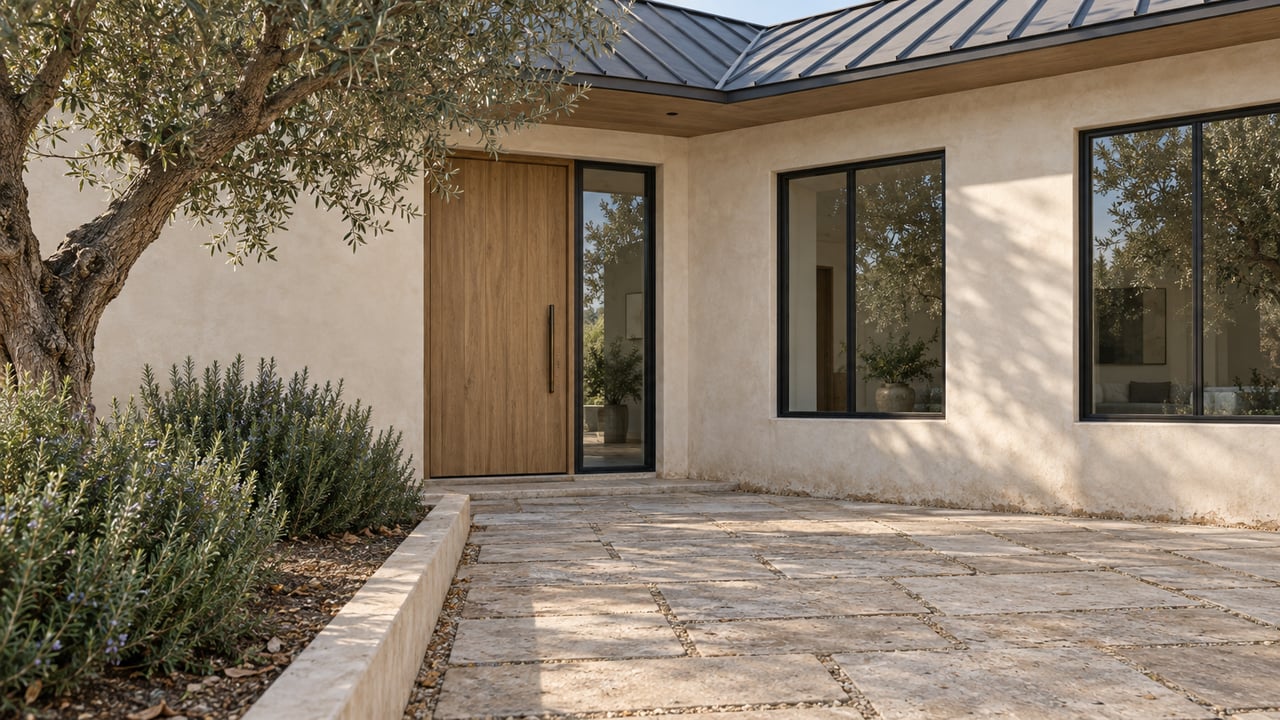
If you want one feature that does the most work, start here. Patios and terraces are often the clearest bridge between the interior of the home and the surrounding setting, especially in Napa’s climate.
They also align with what buyers already value. The NAHB 2024 design trends report found continued demand for patios, exterior lighting, landscaping, front porches, outdoor fireplaces, and outdoor kitchens. The same report noted that buyers are leaning toward somewhat smaller homes, which makes usable outdoor rooms even more important.
For sellers, that matters. A well-placed terrace can make a home feel more expansive without adding interior square footage. For buyers, it can turn a beautiful setting into part of your everyday living space instead of something you only admire through a window.
What makes a patio feel effortless
An outdoor space tends to feel seamless when it does a few things well:
- Connects directly to a kitchen, dining area, or living room
- Offers shade for warm summer afternoons
- Handles winter rain with proper drainage and durable materials
- Feels proportionate to the house, not oversized or tacked on
- Supports both quiet mornings and easy entertaining
In Wine Country, the goal is rarely flashy. It is comfort, flow, and a sense of hospitality.
Design for Napa’s microclimates
One of the biggest mistakes in outdoor design is assuming every Napa property behaves the same way. County data shows that annual precipitation can range from about 20 to 40 inches depending on elevation and location, and local conditions can shift with slope, exposure, and wind patterns.
That is why thoughtful planning matters. A west-facing terrace may need stronger shade strategies, while a yard in a wetter pocket may need more attention to drainage and surface materials. If your property is exposed, planting and layout can help reduce the impact of wind and make seating areas more comfortable.
Smart comfort features to consider
For many Napa County homes, these features help outdoor areas stay usable across more seasons:
- Covered or partially covered seating areas
- Permeable or well-drained hardscape surfaces
- Layered planting for sun and wind protection
- Flexible lighting for early evenings and longer outdoor dinners
- Materials that feel consistent with the home’s architecture
These choices may sound simple, but together they create the feeling that the house and garden were always meant to work as one.
Match the design to the architecture
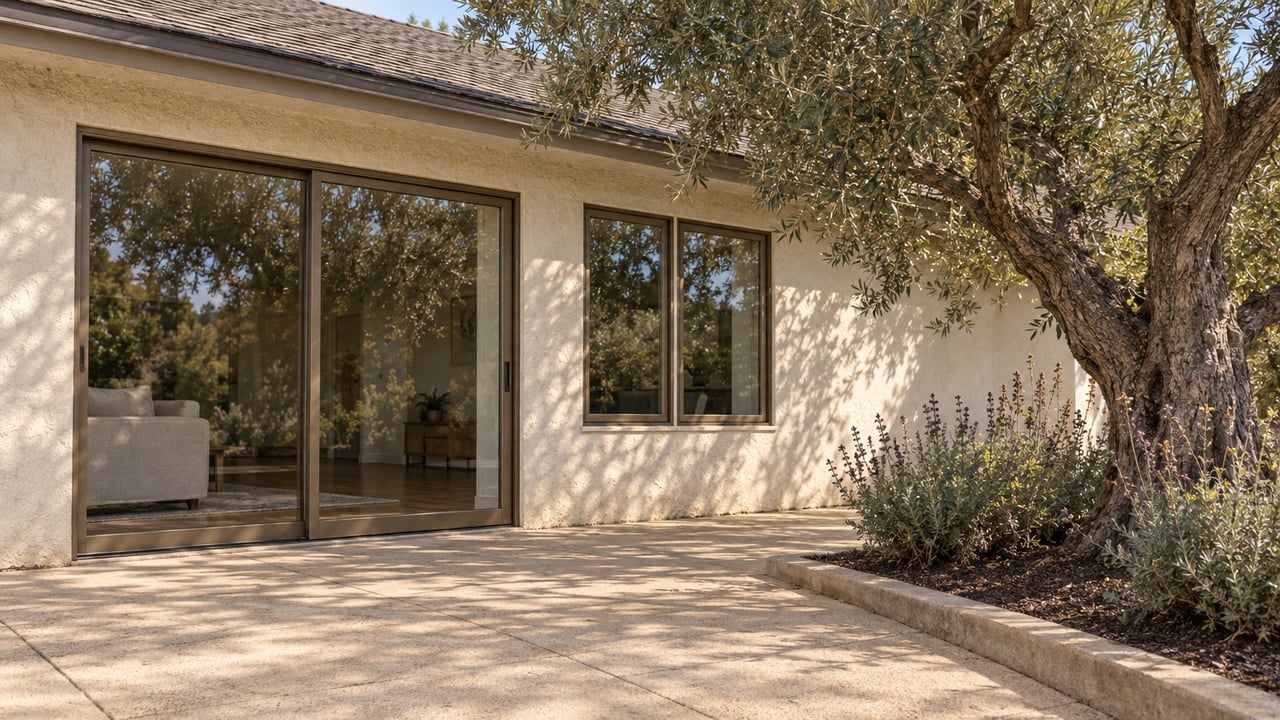
Napa Valley homes are not all built in one style, and that is part of the appeal. The Napa County Historical Society highlights a broad residential mix that includes Victorian-era mansions, Craftsman homes, Mission Revival, Mid-century Modern houses, ranch homes, bungalows, and Victorian cottages. It also notes that many mid-century homes from the 1950s and 1960s introduced open floor plans and sliding glass doors that naturally expanded indoor-outdoor living.
That history offers a useful design lesson. The best outdoor spaces usually feel true to the home itself.
In Fuller Park and Napa Abajo, where historic context matters, outdoor improvements tend to work best when they feel integrated with the home’s original character. In places like Spencer’s Addition, where many Victorian-era cottages sit on larger lots with rear yards, the opportunity may be less about dramatic structural change and more about shaping inviting backyard rooms that respect the house’s scale and detailing.
Examples by home style
Historic homes
For historic properties, think in terms of continuity. Landscape design, porch relationships, walkways, and material choices should feel visually connected to the home rather than overly contemporary or disconnected.
Mid-century homes
Mid-century homes often lend themselves naturally to indoor-outdoor living. Sliding doors, open plans, and clean lines can support patios, courtyards, and simple landscape geometry with very little visual friction.
Ranch homes
Ranch homes, including those found in areas such as American Canyon, often benefit from broad patios, easy backyard access, and practical outdoor zones for dining, lounging, and gardening. Their horizontal layout can make transitions feel especially natural.
Focus on the features buyers notice most
Outdoor living is not only about lifestyle. It also shapes how buyers experience a home from the first photo to the final showing.
The NAR 2023 Remodeling Impact Report for Outdoor Features found strong resale recovery for several projects, including landscape maintenance at 104 percent, outdoor kitchens at 100 percent, overall landscape upgrades at 100 percent, new patios at 95 percent, and new wood decks at 89 percent. The same report also found that 97 percent of REALTORS® said curb appeal is important in attracting a buyer, and 98 percent said it is important to a potential buyer.
That helps explain why outdoor spaces carry so much weight in Napa County. Here, the exterior setting is not a side note. It is part of the property’s story, its hospitality, and often its marketability.
Best bets for lifestyle and resale
If you are deciding where to invest, these features stand out:
- Patios and terraces for daily usability and strong buyer appeal
- Outdoor kitchens for entertaining and full lifestyle positioning
- Landscape upgrades for both visual impact and value retention
- Irrigation improvements for easier maintenance and water-wise function
- Lighting for evening ambiance and extended use
The same NAR report also shows that some features are more about enjoyment than resale efficiency. Fire features and pools can be appealing, but they tend to deliver more lifestyle value than return on investment.
Use lighting to extend the experience
In Wine Country, some of the best moments happen after sunset. That makes lighting one of the most useful, and often most overlooked, parts of indoor-outdoor design.
Lighting helps a patio, garden path, or dining area stay functional after dusk. It also adds atmosphere, which matters if you want outdoor areas to feel finished and inviting rather than purely utilitarian.
According to the NAR outdoor-features report, landscape lighting posted a perfect joy score, even though its cost recovery was lower than larger hardscape projects. That is a good reminder that not every smart upgrade is about maximum payback. Some are about how your home feels when you live in it.
Build beauty with water-wise, fire-aware landscaping
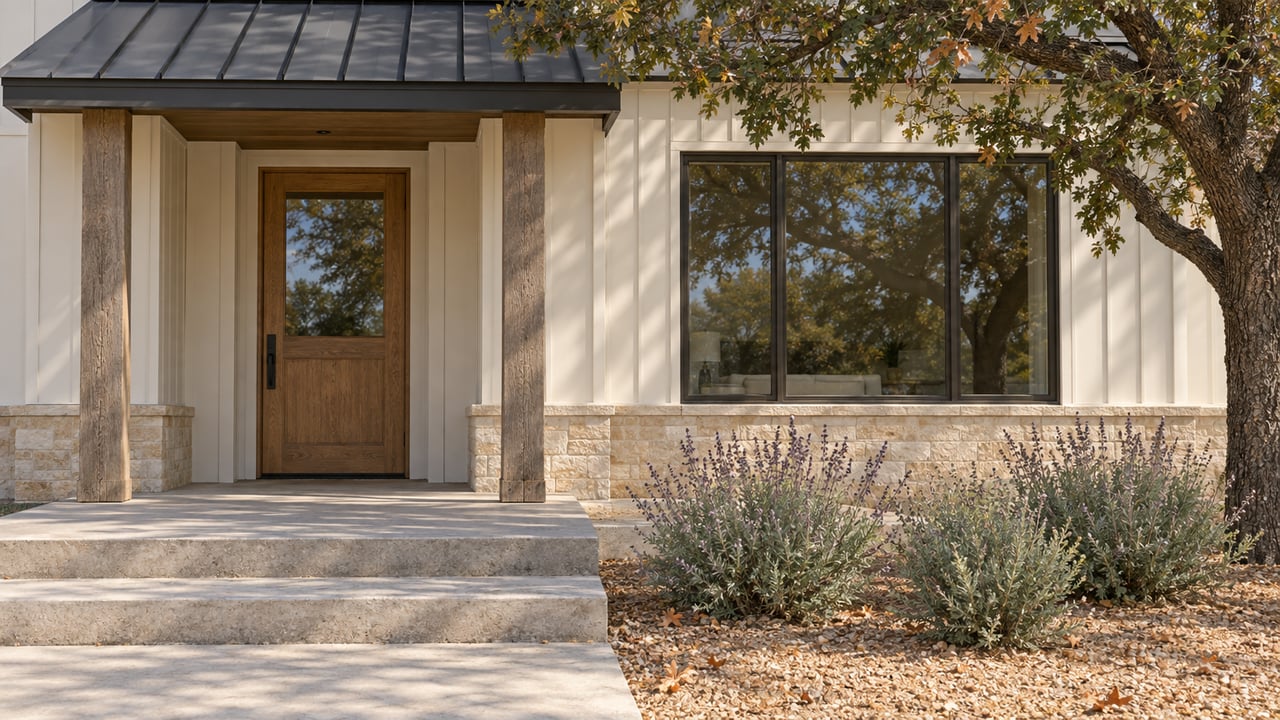
In Napa County, beautiful landscape design also needs to respect local conditions. The county’s defensible space guidance describes defensible space as a property’s frontline defense against wildfire and recommends keeping the first 5 feet around the home clear of combustibles, replacing flammable mulch near the structure with rock or gravel, and using drought-tolerant, lower-resin plants with drip irrigation.
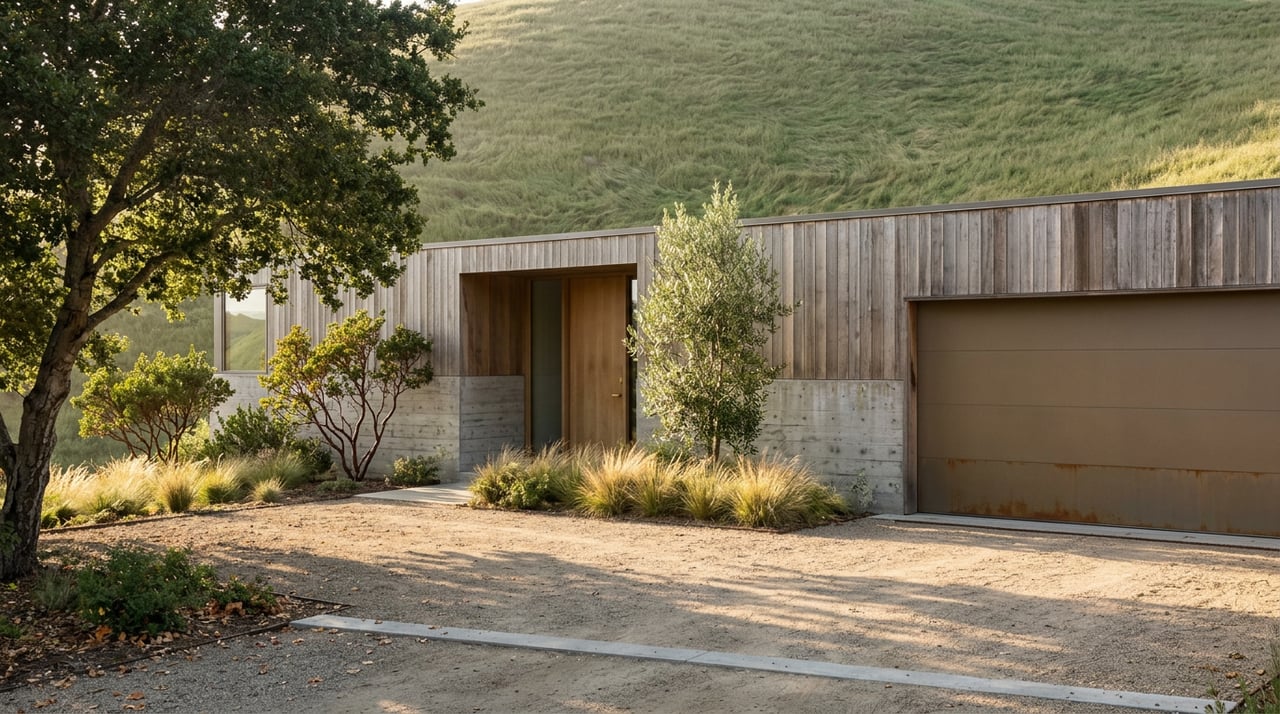
That guidance is especially important in a region where homes may sit near vineyards, oak woodlands, or chaparral. Good outdoor design in Napa is not just about aesthetics. It is also about resilience.
Landscaping principles that make sense in Napa
A well-planned yard often includes:
- Rock or gravel close to the house instead of flammable mulch
- Drought-tolerant plant selections
- Drip irrigation for efficient water use
- Clear, well-maintained zones near the structure
- Planting that supports beauty without crowding access or circulation
The encouraging part is that these choices can still feel refined and welcoming. Fire-aware and water-wise design does not have to look severe. In the right hands, it can feel calm, tailored, and very much at home in Napa Valley.
Think like a host, not just an owner
The most memorable indoor-outdoor spaces are easy to use. You do not have to move furniture every weekend, chase shade all afternoon, or wonder where guests will gather. The layout simply works.
That host mindset is especially relevant in Napa County, where homes are often used for relaxed dinners, weekend visits, and long outdoor conversations. Whether you are preparing a property for sale or shaping a home for your own enjoyment, the question to ask is simple: does this space invite people to linger?
If the answer is yes, you are usually on the right track.
Why this matters when selling
For sellers, indoor-outdoor living is one of the clearest ways to help buyers feel a property’s lifestyle value. A home that opens naturally to a terrace, garden, or outdoor dining area often photographs better, shows better, and leaves a stronger impression.
That is especially true in a market where provenance, setting, and hospitality carry real weight. Outdoor spaces help tell the story of how a home lives. In many cases, they help buyers imagine not just owning the property, but enjoying it.
If you are considering updates before listing, the right approach is usually thoughtful rather than excessive. Improvements that align with the home’s architecture, support Napa’s climate realities, and create true usability are often the ones buyers respond to most.
When you are ready to position a Napa County home with that kind of care, the Kathleen Leonard Team can help you evaluate what will resonate with today’s Wine Country buyers and present your property with the polish it deserves.
FAQs
What does indoor-outdoor living mean for Napa County homes?
- For Napa County homes, indoor-outdoor living usually means creating a smooth connection between the house and usable exterior spaces like patios, terraces, gardens, and dining areas that suit the local climate.
Which outdoor feature adds the most value in Napa County?
- Based on the NAR outdoor-features report, strong value-oriented upgrades include landscape maintenance, overall landscape upgrades, outdoor kitchens, and new patios.
How should historic Napa homes handle outdoor updates?
- Historic Napa homes generally benefit from outdoor improvements that feel consistent with the home’s architecture, site design, and original character rather than overly contrasting additions.
Are pools a smart investment for Napa Valley homes?
- In Napa Valley homes, pools can be very appealing as a lifestyle feature, but the NAR data suggests they are typically less efficient for resale recovery than patios, landscape upgrades, or outdoor kitchens.
What landscaping works best for Napa County outdoor living?
- Napa County outdoor living often works best with drought-tolerant planting, drip irrigation, rock or gravel near the home, and layouts that support both defensible space and daily usability.