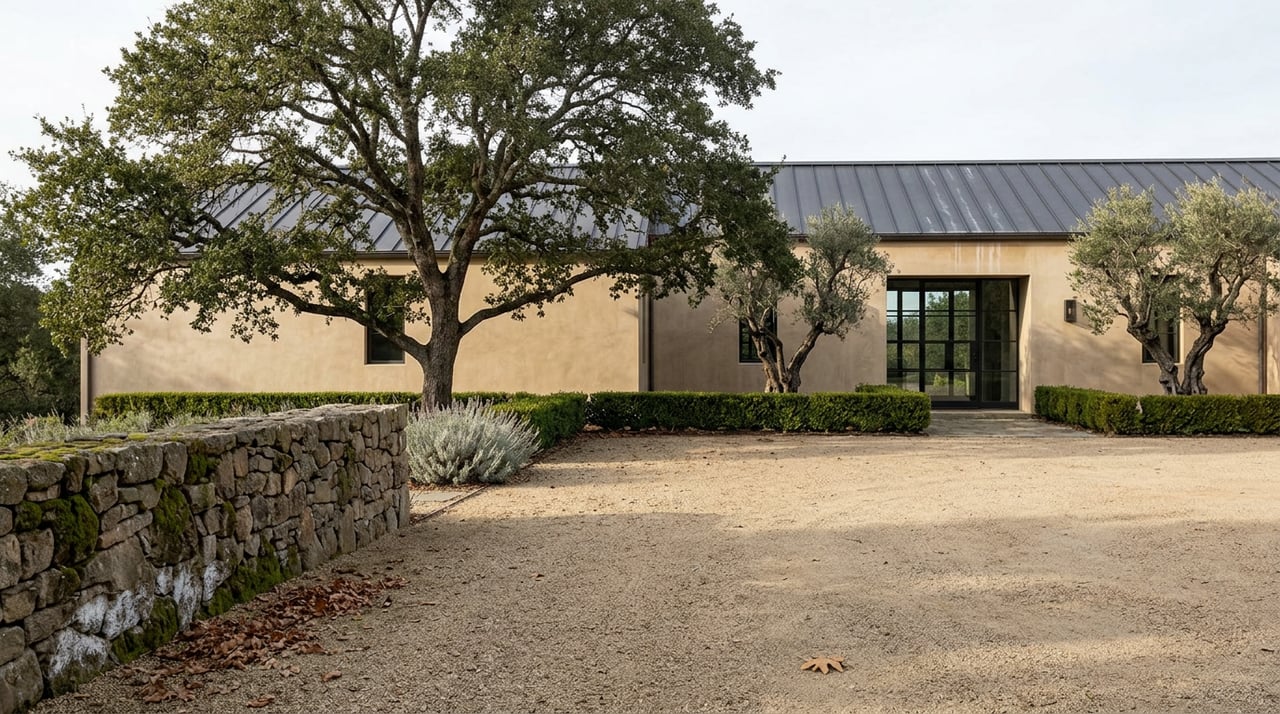
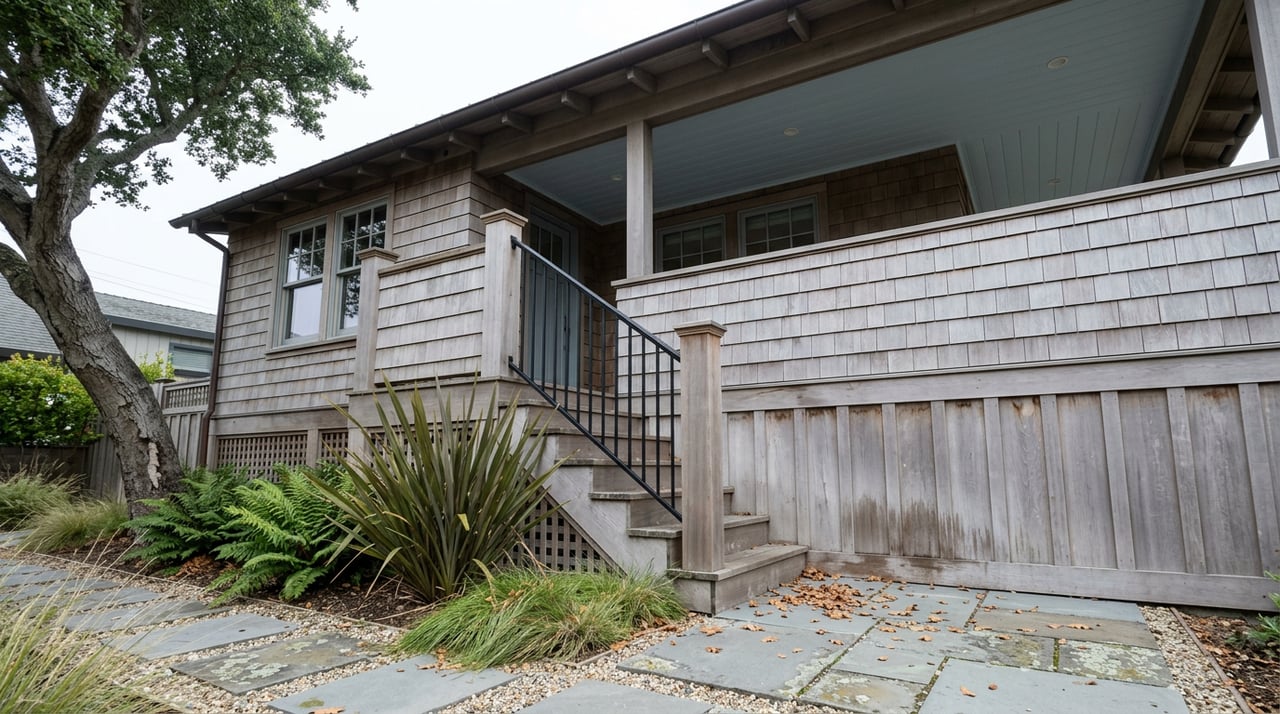
The title report lands three days before closing, and it says more than the listing ever did. Below the legal description sits a line most buyers skim past: Agricultural Preserve zoning, a recorded Williamson Act contract, sometimes a conservation easement layered on top. To a buyer who has spent months imagining harvest dinners on the terrace, these read like the same idea stated three different ways. They are not. Each one restricts something different, exits differently, and costs a different amount to unwind. Treating them as interchangeable is where Napa vineyard deals go sideways, usually at the exact moment a buyer's attorney starts asking questions the listing agent can't answer on the spot.
Three documents, three different exits
Napa County stacks three separate mechanisms on agricultural land, and a single property can carry all three at once.
| Restriction | What it actually limits | How an owner exits |
|---|---|---|
| Agricultural Preserve (AP) zoning | County zoning that sets farming and open space as the primary allowed use on the parcel | Changes only through a county rezoning action, not a private request from the landowner |
| Williamson Act contract | A voluntary, rolling 10-year tax agreement tied to proof of active agricultural use | Non-renewal, which phases the tax bill up over nine years, or cancellation, which costs a lump-sum fee |
| Conservation easement | A permanent, recorded restriction that strips development rights from the land forever | There is no standard exit. The restriction is built to survive every future owner |
Zoning tells you what the county allows. A Williamson Act contract tells you what tax break the current owner traded for a farming promise, and that promise transfers to you at closing whether you knew about it or not. A conservation easement tells you what will never be built there again, under any owner, at any point in the future. Buyers who confuse the second for the third often discover the difference only when they ask a real estate attorney why the property they assumed was flexible for future building actually has no path out at all.
The clock you inherit
A Williamson Act contract renews itself automatically every year, which sounds harmless until you notice what that means for a seller who already wants out. Napa County's own materials on the program lay out two paths. File a notice of non-renewal, and the annual tax assessment climbs gradually over nine years until it reaches full market value. File for cancellation instead, and the county can grant it immediately, but the fee runs 12.5 percent of the land's unrestricted fair market value, or 25 percent if the parcel sits in a stricter Farmland Security Zone.
Neither path is fast, and neither is quiet. A seller who filed non-renewal two years before listing has already started that nine-year tax climb, and the buyer inherits the remaining schedule along with the deed. Ask early whether a notice of non-renewal has already been filed. It changes what the buyer's carrying costs look like in year three, not just year one.
Why the county is checking harder now
The tax benefit only exists because the landowner is supposed to be farming the land, not just enjoying the view from it. A Napa County Grand Jury review found that county officials had identified 64 of the county's 692 Williamson Act contracts, about 9 percent, where no agricultural use appeared to be happening on the parcel at all. The county's own response confirmed it would file non-renewal notices on those where owners couldn't show otherwise, and estimated the gap in enforcement had cost roughly $60 million in foregone tax revenue over a decade.
The grand jury's report on the program carried a blunt subtitle: "subsidizing a lifestyle."
That finding matters for anyone buying vineyard acreage this year, not because it changes the contract terms, but because it signals the county is looking harder at whether contracted land is actually earning its tax break. A buyer inheriting a Williamson Act contract should ask the seller for evidence of real farming activity, crop income records, a grazing lease, anything beyond the contract's existence. A parcel that looks contracted on paper but hasn't produced agricultural income in years is a parcel more likely to draw a non-renewal notice from the county itself, whether or not the new owner wants one.
The document that never expires
A conservation easement solves a different problem, and it solves it permanently. Where a Williamson Act contract is a tax trade a landowner can eventually walk away from, an easement removes development rights from the land itself, recorded under California Civil Code section 815, with no expiration date and no cancellation fee because there is no cancellation option.
The Land Trust of Napa County marked 50 years of this work in 2026, reporting more than 96,000 acres permanently protected across the county. Some of that acreage still produces wine. In December 2024, Andy and Betty Beckstoffer donated a conservation easement covering 51 acres of Rutherford farmland to the Land Trust, their twelfth such donation, specifically so the land would stay in agriculture under any future owner. The vineyard keeps operating. The owner keeps the deed. What disappears is the option to ever subdivide it, build a winery beyond what already exists, or add residences the easement doesn't allow.
For a buyer, that permanence is worth pricing in before an offer, not after. A parcel under easement will never compete on future development upside, but it also carries none of the audit risk a Williamson Act contract now does. Two very different kinds of certainty, and worth knowing which one you're actually buying.
What clean paperwork is worth right now
Documentation isn't a formality in this market. It's priced. In June 2026, Benessere Vineyards, a 42-acre St. Helena estate with existing winery entitlements, went to a pending sale at $10.15 million after just 77 days of marketing through Concierge Auctions' new wine and vineyards division. A property with entitlements already in place, a documented winery use permit, and no open questions about agricultural status moved through the market in under three months.
That speed is the payoff for a title history a buyer's attorney can verify in an afternoon instead of a month. A vineyard with an active Williamson Act contract, current farming records, and no pending non-renewal notice will show clean at every stage of due diligence. One with a lapsed farming operation, an unfiled non-renewal, or an easement nobody disclosed until escrow will not, and that friction shows up as delay, a renegotiated price, or a buyer who walks.
Questions Napa buyers and sellers ask
Does a Williamson Act contract transfer automatically when I buy the land? Yes. The contract runs with the land, not the owner, so the buyer inherits both the tax benefit and the farming obligation that comes with it, including any non-renewal notice the seller already filed.
Can I get out of a Williamson Act contract quickly if I want to build something the contract doesn't allow? Only through cancellation, which requires Board of Supervisors approval and a fee of 12.5 percent of the land's unrestricted market value, or 25 percent for Farmland Security Zone parcels. Non-renewal is cheaper but takes nine years to fully clear.
Is a conservation easement the same as being inside the Agricultural Preserve? No. Agricultural Preserve is a zoning designation the county controls. A conservation easement is a separate, permanent, privately recorded restriction that exists independent of zoning and cannot be undone by a future rezoning.
Does an active Williamson Act contract mean I have to personally farm the property? The contract requires evidence of bona fide agricultural use on the parcel, which can include a farming lease or grazing arrangement rather than the owner working the land directly, but the county now reviews that evidence more closely than it once did.
Vineyard acreage rewards buyers who read the fine print before they fall for the view, and it rewards sellers who get their farming records and contract status documented long before the title report forces the conversation. The Kathleen Leonard Team has spent years walking Sonoma, Napa, and Marin clients through exactly this kind of paperwork, the kind that determines whether a country property closes in 77 days or sits in escrow answering questions nobody prepared for. If you're weighing a Napa vineyard purchase or preparing one for sale, request a private Wine Country consultation and we'll go through the title history with you before you're standing in escrow wondering what you signed up for.