Do you picture friends gathered around a long table, a favorite vintage breathing nearby, and dinner drifting from the kitchen to the vines out back? In Napa County, that vision is more than a daydream. You want a home that feels like a tasting room when you entertain, and you want clear steps to evaluate those features or add them before you sell. In this guide, you’ll learn which entertaining-ready features matter most in Napa, what to check during showings and inspections, and how to plan upgrades that fit local rules and your return. Let’s dive in.
What “entertaining-ready” means in Napa
The wine-country lifestyle
Hospitality is part of daily life here. Homes that shine offer space for tastings, chef-led dinners, and easy weekend hosting. Many properties attract second-home buyers who plan to welcome overnight guests, so layouts often favor social flow and flexible guest space.
Climate realities
Napa’s Mediterranean climate invites outdoor living for much of the year. Shade, covered patios, and heaters extend the season through hot summers and cool, wet winters. Smoke season has also made indoor air quality and the ability to pivot gatherings inside more important.
Zoning and hosting rules
Neighborhoods vary in short-term rental activity and local expectations. If you plan frequent gatherings or a rentable casita, review local zoning and short-term rental rules. Napa County and city planning departments set permits and limits for ADUs, outdoor structures, and event-like uses.
Chef’s kitchens buyers notice
A true chef’s kitchen supports prep, plating, and conversation without crowding the cook. Look for a large island with seating, high-end or professional-style appliances, multiple ovens, a gas or dual-fuel range, pot filler, walk-in pantry, prep sink, durable countertops, and smart flow to dining and outdoor areas.
Buyer checklist
- Ventilation: range hood CFM and proper ducting.
- Fuel and power: gas vs. electric capacity and panel size.
- Storage and workflow: pantry access, prep zones, and sightlines to living and patio spaces.
- Inclusion list: which appliances convey with the sale.
Seller tips
- Kitchen upgrades attract strong interest when matched to the home’s price tier. High-end packages and durable finishes raise appeal.
- Major changes to plumbing, gas, or electrical usually require permits. Keep records to build buyer confidence.
Seamless indoor–outdoor flow
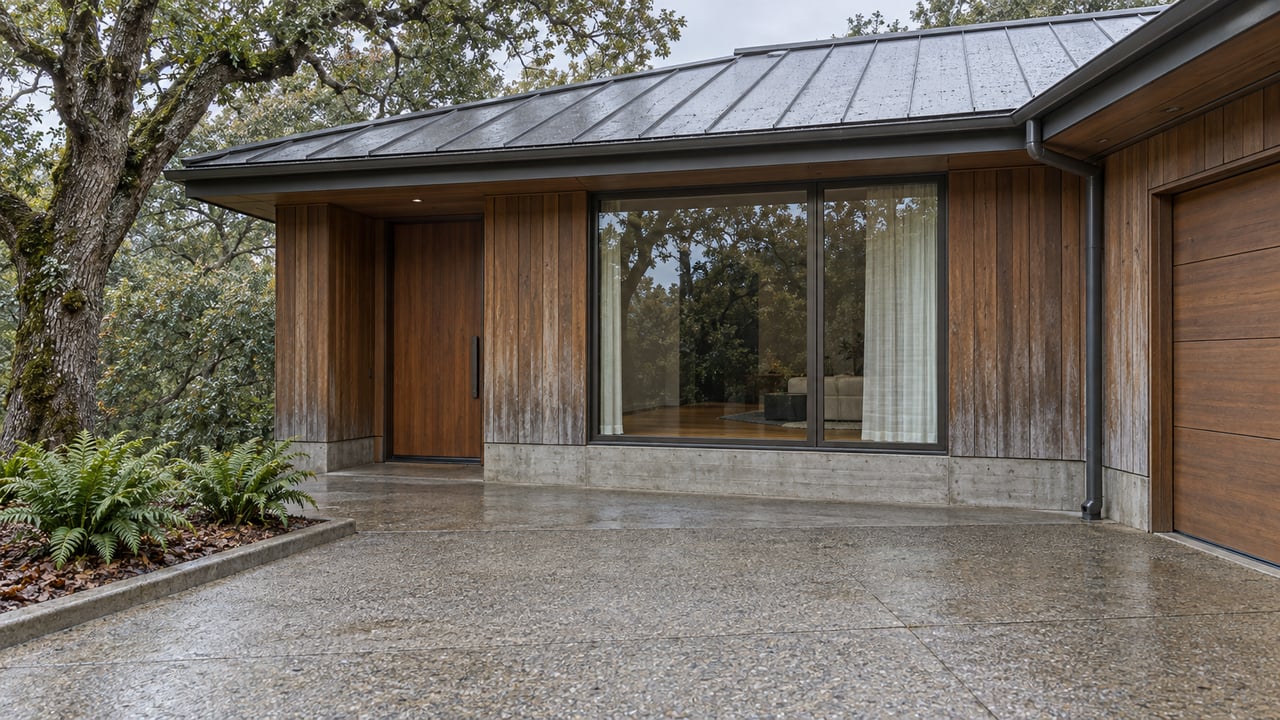
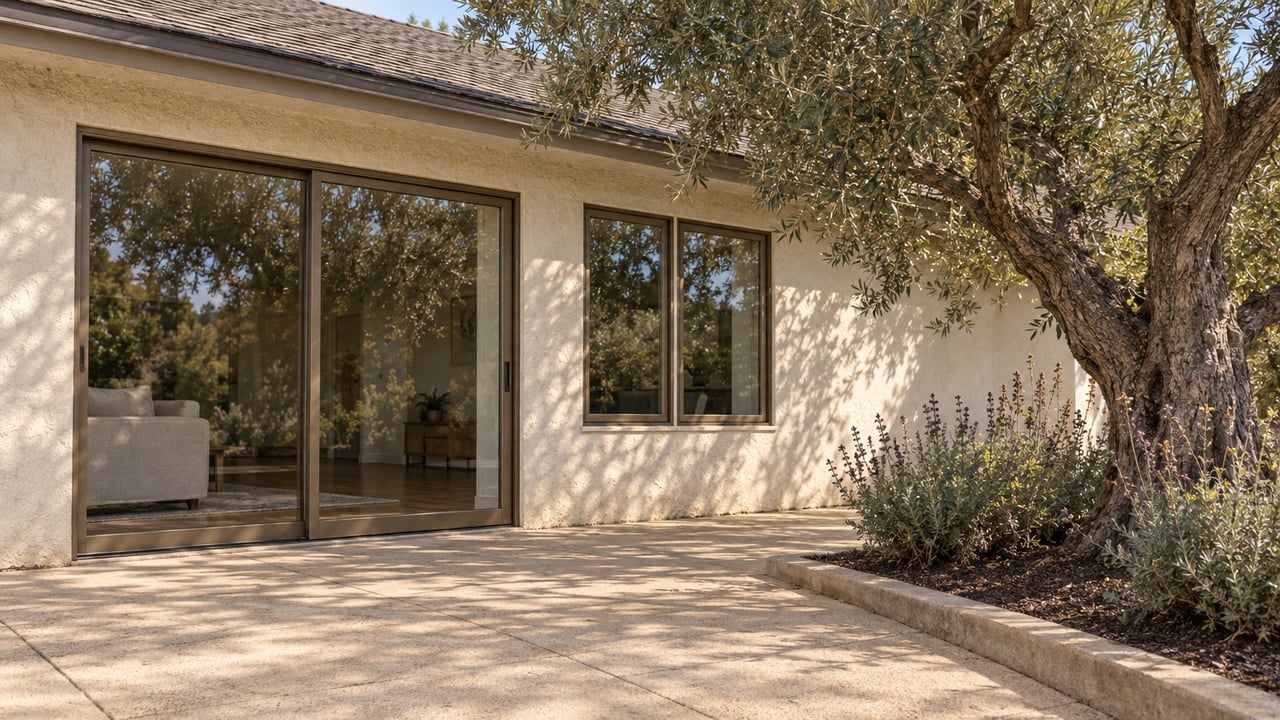
Buyers love multi-panel sliders or bifold doors, low or flush thresholds, and patios set just steps from the kitchen and great room. The goal is a living area that doubles in feel when you open everything up.
Buyer checklist
- Door operation and weather seals; smooth tracks and secure locks.
- Step transitions and drainage sloping away from the home.
- Insect screens or retractable screens where needed.
Seller tips
- Enlarging openings is structural work that calls for engineered headers and permits. Address weatherproofing and thermal performance.
Covered dining that extends the season
Roofed patios, pergolas with solid or retractable canopies, integrated lighting, and heaters turn a patio into a four-season dining room. Fireplaces or fire bowls add ambiance if installed with safety in mind.
Buyer checklist
- Permit status for roofed or attached structures.
- Power, lighting, and heat coverage for evening use.
- Access to water for clean-up or outdoor sinks.
Seller tips
- A well-designed covered dining zone meaningfully improves usability. Permitting thresholds differ for attached versus freestanding structures, so confirm requirements before you build.
Pizza ovens and specialty outdoor cooking
Whether masonry or prefabricated, a wood-fired pizza oven can be a focal point. Pair it with a grill station, prep counter, and outdoor-rated refrigeration for a complete setup.
Buyer checklist
- Clearances to combustibles, spark containment, and chimney details.
- Evidence of code-compliant installation and any permits.
- Fire extinguisher access and ember risk mitigations.
Seller tips
- DIY or unpermitted ovens can be red flags. Professional installation, documentation, and maintenance records reassure buyers.
Wine storage and tasting spaces
Conditioned wine rooms, glass-front display cellars, and tasting counters near the main entertaining areas signal authenticity and function. In Napa, wine storage is more than decor. It should protect your collection.
Buyer checklist
- Temperature and humidity control, with typical targets around 55–58°F and 60–70 percent relative humidity.
- Insulation, vapor barriers, and vibration control.
- Mechanical equipment location and service history.
- Seismic bracing or secure racking where appropriate.
Seller tips
- A properly conditioned cellar adds credibility. Poorly executed “wine rooms” without control systems can draw criticism during showings.
Guest casitas and ADUs
Detached or attached casitas with a bedroom, bath, and kitchenette are prized for visiting friends and family. Some buyers also consider rental potential, subject to local rules.
Buyer checklist
- Permit status as a legal ADU versus an accessory building.
- Utility connections, including septic or sewer capacity.
- Parking requirements and any short-term rental restrictions.
Seller tips
- Legally permitted ADUs tend to add value and expand your buyer pool. Unpermitted structures are liabilities, so clarify status before listing.
Practical inspections and safety
Permits and code basics
Many entertaining upgrades need permits, including large door openings, roofed patios, ADUs, HVAC for cellars, plumbing or gas lines for outdoor kitchens, and electrical service upgrades. Sellers should disclose permits for past work. Buyers should verify permit history during due diligence with the applicable county or city department.
Wildfire and air quality
Parts of Napa sit in higher wildfire risk areas. Look for defensible space, ember-resistant materials, and safe clearances for outdoor fire features and ovens. Whole-home filtration and well-maintained HVAC can help during smoke events. Buyers often ask about filtration ratings and recent service.
Utilities and capacity
Entertaining-ready homes can draw more power, gas, and water. Multiple ovens, high-CFM hoods, outdoor refrigeration, and expanded lighting may require a larger electrical panel. Gas meters and lines should be sized for peak demand. In rural areas, septic capacity can limit occupancy and guest use. Confirm permits and system sizing.
Neighborhood and noise
Frequent gatherings can interact with noise ordinances, HOA rules, and neighbor expectations. If your plans include larger events or rentals, review local regulations in advance.
Insurance and liability
Outdoor fire features, pools, spas, and detached guest units can affect insurance costs and requirements. Insurers may require spark arrestors, pool fencing, and specific materials. Keep documentation of safety features and maintenance.
Design details that elevate value
Kitchen features to highlight
- Appliance quality and fuel type, including any professional-grade models.
- Workflow elements like a prep sink, butler’s pantry or walk-in pantry, and generous counter space.
- Durable surfaces such as stone or quartz and easy-clean backsplashes.
Door systems and thresholds
- Bifold, multi-slide, or lift-and-slide doors with low-profile sills.
- Integrated insect screens and secure locking systems.
- Attention to weather-tightness and thermal performance.
Outdoor kitchen and oven materials
- Stainless appliances and outdoor-rated refrigeration.
- Masonry or refractory materials for ovens and stone or brick hearths.
- GFCI outlets, dedicated gas valves, and proper venting and clearance.
Wine storage basics
- Mechanical or well-insulated passive rooms designed to manage temperature and humidity.
- Low-UV lighting and vibration mitigation.
- Lockable storage for valuable bottles.
Casita essentials
- Independent entrance, sound separation, and a kitchenette or full small kitchen.
- Confirmed utility capacity, and septic or sewer verification.
- Clear, code-compliant egress and safe pathways.
ROI and timing for sellers
Updated kitchens and outdoor living spaces remain top buyer priorities, and in wine country, visible wine storage can be a powerful differentiator. That said, the return on custom features like a masonry pizza oven or bespoke cellar depends on your neighborhood and buyer pool. Avoid over-improving relative to local comparables.
Timing matters too. Listings that showcase functional outdoor areas often perform best in warmer months. Stage covered dining zones, set tables, and light the path between kitchen and patio to capture that hospitality story in photos and showings. For appraisal and buyer review, organize permits, invoices, and a feature sheet that documents what you installed, when, and by whom.
How the Kathleen Leonard Team helps
You deserve a guide who understands Napa’s lifestyle and its practical realities. From chef’s kitchens and tasting rooms to casitas and compliant outdoor structures, you want to highlight what matters and avoid what does not. The Kathleen Leonard Team brings a host-and-curator approach that frames your home as a lifestyle asset, then backs it with disciplined transaction management. You get boutique storytelling, single-property microsites, and polished photography that elevate perceived value, plus seasoned negotiation that protects your bottom line.
When you are ready to explore Napa County listings or plan strategic upgrades before you sell, reach out for tailored guidance rooted in Wine Country culture and local code know-how. Start a conversation with the Kathleen Leonard Team.
FAQs
What features make a Napa home “entertaining-ready”?
- Chef’s kitchen, seamless indoor–outdoor flow, covered dining with heat, outdoor cooking like pizza ovens, functional wine storage, and a legal guest casita or ADU.
How can I verify permits for a casita or covered patio in Napa County?
- Ask the seller for permit records and cross-check with the appropriate county or city planning and building department during due diligence.
What should I look for in a wine cellar when buying in Napa?
- Confirm temperature and humidity control, insulation, vibration mitigation, and secure racking, plus equipment age and service history.
Do outdoor pizza ovens and fireplaces increase insurance costs?
- They can. Get quotes early and confirm safety features like spark arrestors, proper clearances, and compliant installation.
How does wildfire risk affect home features for entertaining?
- Buyers value defensible space, ember-resistant materials, and quality HVAC filtration so gatherings can shift indoors during smoke events.
Which kitchen upgrades offer the best appeal to Napa buyers?
- High-function layouts with a large island, strong ventilation, quality appliances, durable counters, ample storage, and clear sightlines to outdoor areas.