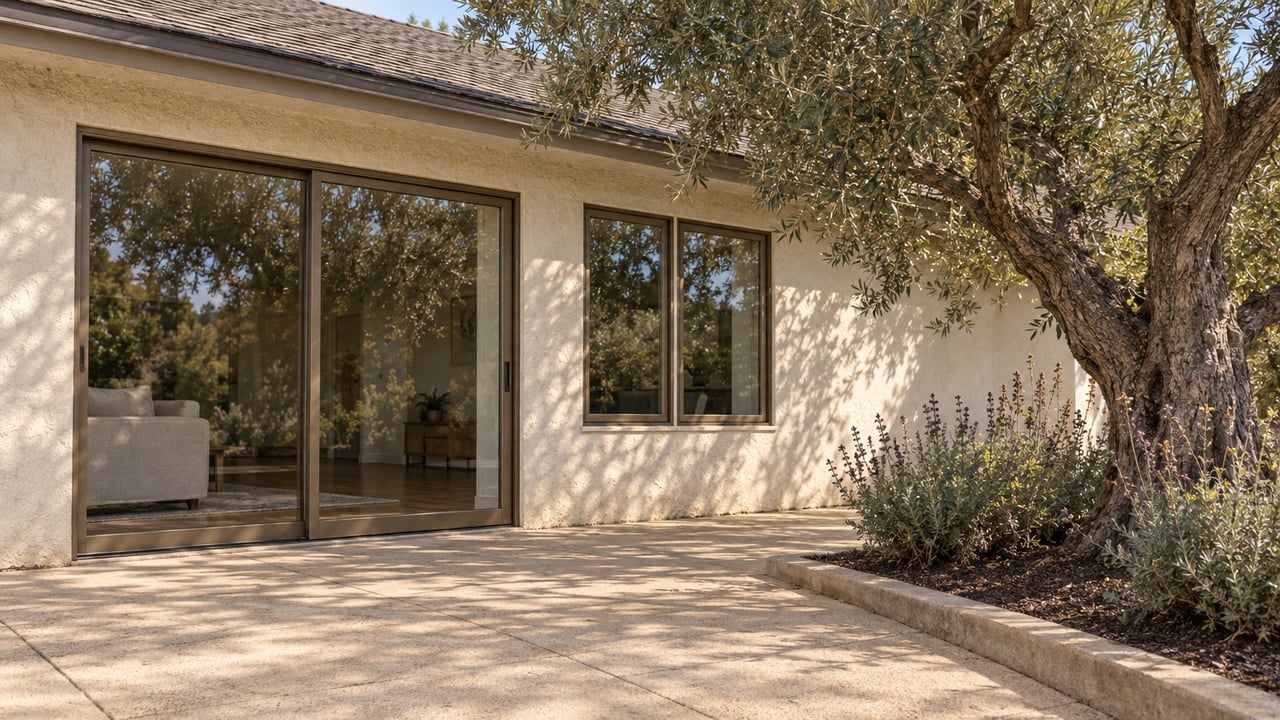
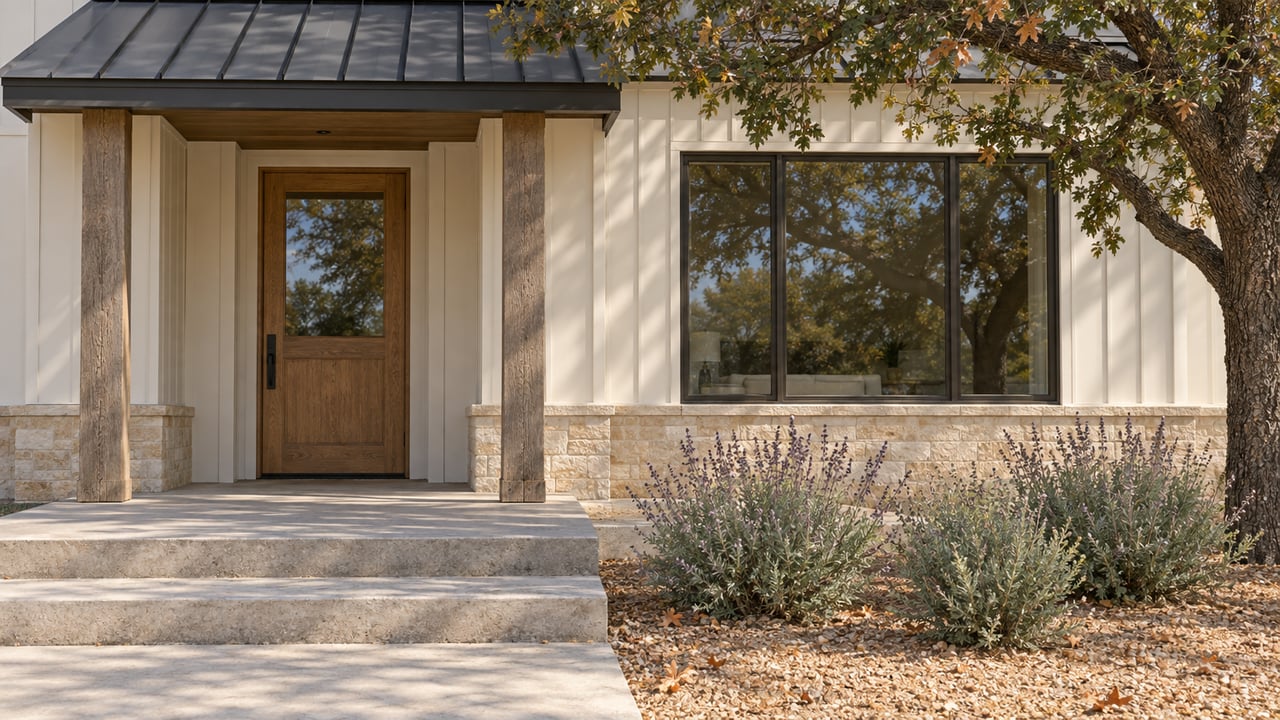
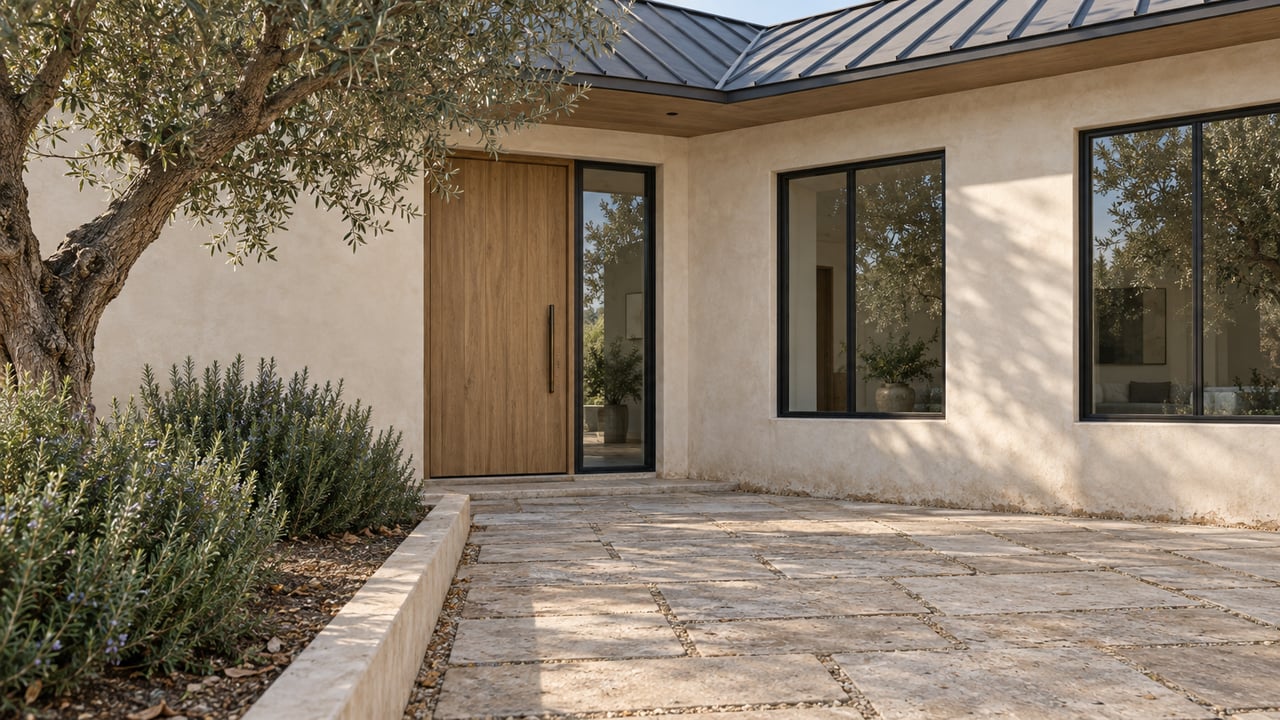
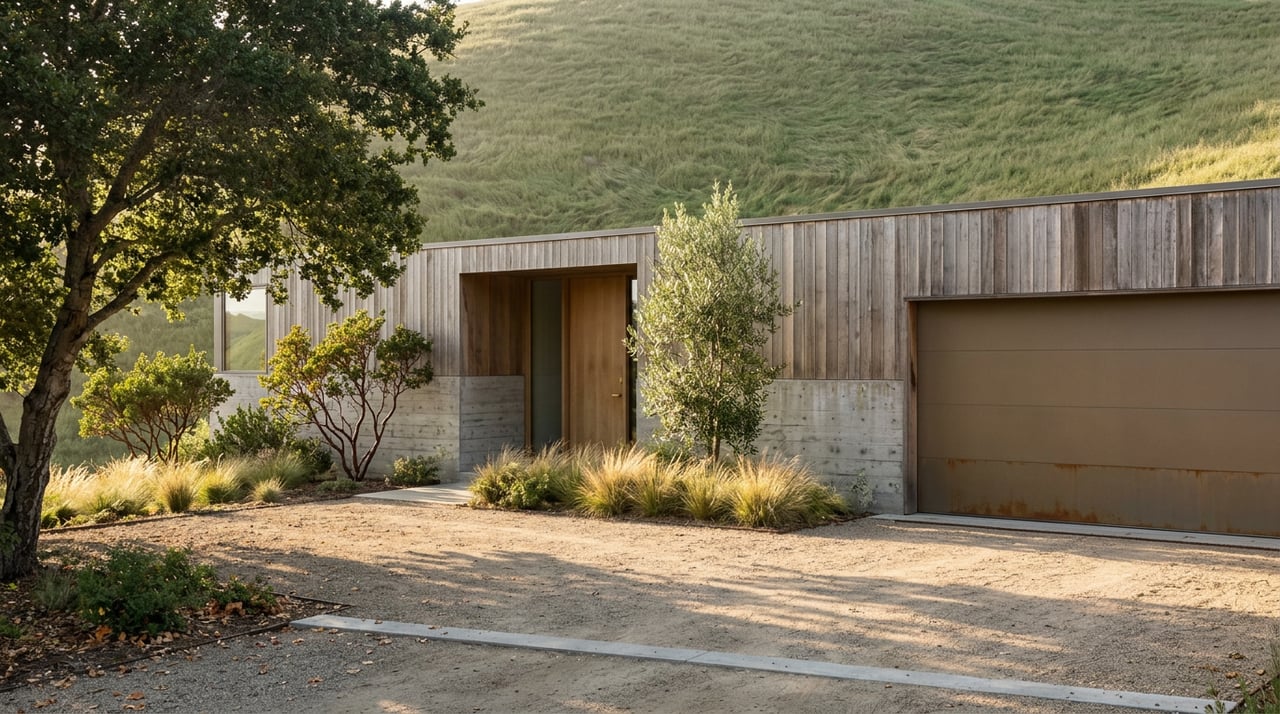
Imagine waking to a cool drift of morning fog over oak‑lined hills, brewing coffee, and stepping onto a patio that looks out toward vineyard rows. Life in a Sonoma Valley country home moves at a different pace than the city, yet it fits modern routines like remote work, weekend entertaining, and everyday errands. In this guide, you will see how days actually unfold, what ownership requires behind the scenes, and the key checks to do before you buy. Let’s dive in.
What country days feel like
Morning rhythm
Weekday mornings are quiet. You might head into Sonoma town for a coffee and a market run, then walk the dog along a country lane. If you enjoy gardening, there is time to tend raised beds or a small orchard before logging on for work.
Workdays from home
Remote work is common. Many owners split time between Bay Area jobs and Sonoma. You will likely drive for errands like groceries, hardware, or the vet, so plan routes and batch tasks when possible.
Evenings and weekends
Evenings often mean patio dinners with seasonal, local ingredients. On weekends, you may visit tasting rooms, hike a nearby trail, bike a scenic loop, or join a small‑town event. Summer and harvest season are busier around the Sonoma Plaza and popular wineries, while late fall and winter feel quieter.
Social life and community
Community forms around shared interests. You will meet neighbors through wineries, hiking and cycling clubs, equestrian groups, and volunteer organizations. Local restaurants, markets, and tasting rooms are natural gathering spots.
Homes and land you will find
Country properties range widely. In and around Sonoma, Glen Ellen, Kenwood, and Boyes Hot Springs, you will find remodeled cottages, single‑family homes on 1 to 10 or more acres, hobby farms, and properties with producing or non‑producing vines. Buyers prize outdoor living spaces, garden areas, and views of vineyards, rural vistas, and oak woodlands.
Zoning and agricultural easements can shape how you use the land and what you can build. Confirm allowable uses early, including accessory structures and guest spaces.
Practical realities to budget and plan
Wells and water
Many country homes rely on private wells. Depth and yield vary by parcel. Budget for water quality testing, yield reports, and potential drilling or equipment upgrades if needed. Some areas are served by small community or municipal systems, but you should verify service before you buy.
Septic basics
Outside urbanized areas, homes often use septic systems. Inspections are essential. Replacement or upgrades can be significant, and remodels or additions may trigger permit requirements. Confirm system capacity and permitting history with the county.
Power, propane, and internet
Electric service is generally available. Check panel capacity if you plan for HVAC upgrades or an EV charger. Many homes use propane for heating and cooking. Internet and cell service vary by location. If remote work is important, confirm provider options and speeds in advance.
Maintenance and land care
Country properties require regular maintenance. Expect seasonal brush and weed management, tree and fence care, driveway upkeep, and irrigation checks. If you have vines or fruit trees, plan for specialized, seasonal tasks or consider leasing vines to a winery rather than managing production yourself.
Wildfire awareness and readiness
Large parts of Sonoma Valley sit in moderate to high fire hazard severity zones. This can affect insurance availability and cost, as well as the materials and design you choose for any improvements. You will be responsible for creating and maintaining defensible space around the home and for having an evacuation plan. Review parcel‑level risk and standards with CAL FIRE, Sonoma County Fire & Emergency Services, and your local fire protection district.
Local rules to check early
Rules are local and change over time. Confirm:
- Zoning, allowable uses, and rules for accessory structures and guesthouses.
- Septic and well permits, plus any building permits on file.
- Short‑term rental requirements if you hope to generate STR income.
- Agricultural considerations, including conservation easements, Williamson Act contracts, and county permits for planting or vineyard operations.
Everyday amenities nearby
Sonoma Valley blends small‑town ease with essential services. Dining, boutiques, and community events center around the Sonoma Plaza and nearby towns. There are grocery stores and specialty food shops in Sonoma, with broader retail options in Santa Rosa and Petaluma. Sonoma Valley Hospital and local clinics serve day‑to‑day needs, while major medical centers are a drive away. Public schools are served by the local district, and private and charter options are present elsewhere in Sonoma County.
Outdoor recreation close to home
Hiking is part of daily life, with Jack London State Historic Park, Sonoma Valley Regional Park, Sugarloaf Ridge State Park, and Sonoma Mountain trails within reach. Road and gravel biking routes wind along scenic country roads. Many parcels can accommodate horses, and local boarding facilities are available. Spas and wellness centers offer hot springs and restorative treatments.
Getting here and getting around
Typical drive time to San Francisco ranges from about 45 to 75 minutes, depending on your exact start and traffic. Weekend visitor traffic and peak commute times can add delays. Public transit options are limited for Sonoma town; the SMART train serves parts of Sonoma County but not directly into town, so last‑mile driving is common.
Costs and ownership rhythms
Sonoma Valley pricing tends to sit above national averages and responds to Bay Area demand. Ongoing costs include property taxes under California’s Prop 13 base rules, with supplemental assessments upon purchase. Budget for insurance that reflects wildfire risk, well and septic maintenance, propane, landscaping and brush work, and possible HOA or private road fees.
- Upfront purchase costs above national median levels.
- Insurance premiums that may be higher in fire‑prone zones.
- Utility expenses for well, septic, and propane.
- Regular land management and outdoor maintenance.
Quick buyer checklist
- Verify water: well yield, water quality testing, and pump/filtration equipment.
- Inspect septic: system capacity, permitting history, and replacement estimates.
- Price insurance: get quotes early and confirm wildfire underwriting rules.
- Confirm internet: provider options, speeds, and cell coverage for remote work.
- Check zoning and permits: accessory structures, guest spaces, and future plans.
- Review fire safety: hazard maps, defensible‑space standards, and evacuation plans.
- Clarify STR rules: current city or county requirements and registration.
- Assess maintenance: tree work, brush clearing, driveway, fencing, and irrigation.
Is Sonoma Valley right for you?
If you want privacy, views, and room to garden or entertain, Sonoma Valley fits beautifully. You can live at a quieter pace during the week and enjoy wine, food, and the outdoors when the weekend arrives. With that lifestyle comes responsibility for wells, septic, land care, and fire preparedness. Visit in different seasons to see the rhythm for yourself and picture how you will use the home.
When you are ready to explore properties or need a reality check on wells, septic, insurance, and local rules, you deserve a team that blends hospitality with rigorous detail. For curated tours, off‑market introductions, and concierge guidance from offer to close, reach out to the Kathleen Leonard Team.
FAQs
What is daily life like in a Sonoma Valley country home?
- Expect quiet weekday mornings, remote work from home, and weekends with outdoor dining, wine tasting, hiking, and small‑town events, with busier seasons during summer and harvest.
How reliable is internet service in rural Sonoma Valley?
- Service varies by parcel; verify fiber, DSL, 4G, or 5G options with providers before you buy if remote work is important.
How far is Sonoma Valley from San Francisco in typical traffic?
- Drives usually range from about 45 to 75 minutes depending on start point and traffic, with added delays during peak commute and busy weekends.
What should I check about wells and septic before buying?
- Order well yield and water quality tests, inspect the septic system for capacity and condition, and confirm permits and potential replacement costs.
How does wildfire risk affect ownership in Sonoma Valley?
- You may face higher insurance costs, required defensible‑space maintenance, and evacuation planning; check parcel‑level hazard and local fire district standards.
Can I operate a short‑term rental at a Sonoma Valley country home?
- Rules are local and change frequently; confirm current city or county ordinances, permitted zones, registration steps, and tax requirements before you plan on STR income.